
Our History. Our Homecoming. Homecoming at Jackson State University® has echoed across generations.
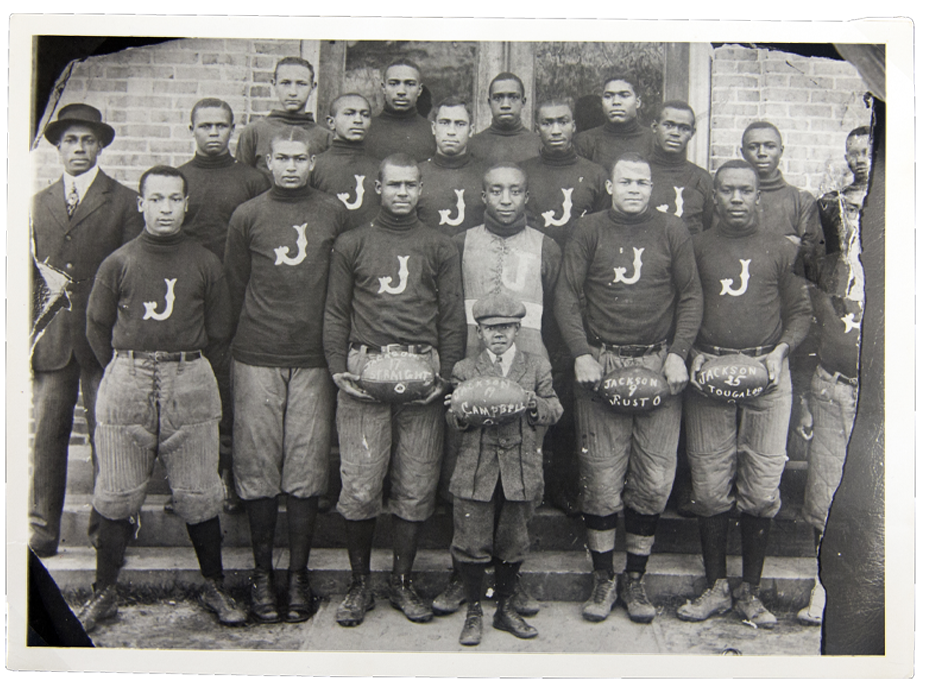
What began in the early 20th century as fall gatherings among students and alumni has grown into one of the most anticipated celebrations in Jackson and a standout among university traditions nationwide.
In 1927, JSU™ crowned its first Campus Queen. It was an early and meaningful recognition of student leadership, particularly for Black women in higher education. By the 1950s, the Homecoming parade had outgrown campus and moved downtown, drawing crowds from across the city. Pep rallies, step shows and alumni reunions added new layers of energy, making Homecoming a full week of community and celebration.
Years of dedication from early band leaders like Dr. Frederick D. Hall and William “Prof” Davis laid the foundation for what came next. In 1971, the band officially became known as the Sonic Boom of the South.
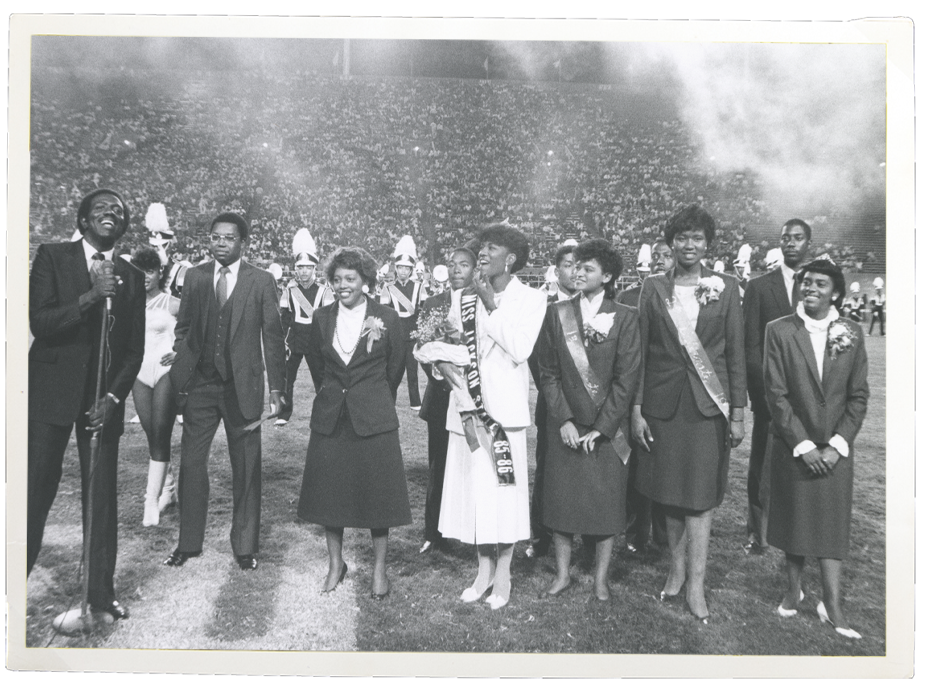
That same year, the Prancing J-Settes made their debut. Halftime was no longer an intermission. It became the moment. Together, the Boom and the J-Settes set a new standard in HBCU performance culture.
Homecoming has endured through challenges. In 2013, when a scheduled opponent forfeited, Jackson State® kept the celebration going with a scrimmage, a concert and a stadium full of Tiger pride. In 2020, the pandemic brought in-person events to a halt. By 2021, fans returned to THEE Vet in record numbers, proving that the spirit of JSU® never left.
Whether it’s your first Homecoming or your fiftieth, the experience is unforgettable. It is a moment to reflect, reconnect and show love for Jackson State®. It is a family reunion. A block party. A halftime show. A citywide celebration of who we are.
What began in the early 20th century as fall gatherings among students and alumni has grown into one of the most anticipated celebrations in Jackson and a standout among university traditions nationwide.
In 1927, JSU crowned its first Campus Queen. It was an early and meaningful recognition of student leadership, particularly for Black women in higher education. By the 1950s, the Homecoming parade had outgrown campus and moved downtown, drawing crowds from across the city. Pep rallies, step shows and alumni reunions added new layers of energy, making Homecoming a full week of community and celebration.
Years of dedication from early band leaders like Dr. Frederick D. Hall and William “Prof” Davis laid the foundation for what came next. In 1971, the band officially became known as the Sonic Boom of the South.
That same year, the Prancing J-Settes made their debut. Halftime was no longer an intermission. It became the moment. Together, the Boom and the J-Settes set a new standard in HBCU performance culture.
Homecoming has endured through challenges. In 2013, when a scheduled opponent forfeited, Jackson State kept the celebration going with a scrimmage, a concert and a stadium full of Tiger pride. In 2020, the pandemic brought in-person events to a halt. By 2021, fans returned to the Vet in record numbers, proving that the spirit of JSU never left.
Whether it’s your first Homecoming or your fiftieth, the experience is unforgettable. It is a moment to reflect, reconnect and show love for Jackson State. It is a family reunion. A block party. A halftime show. A citywide celebration of who we are.