
Shakell James
Editor-in-Chief
As colleges and universities face federal budget cuts nationwide, student employment programs, also known as work-study, have been affected.
News of a decrease in the number of work-study positions available at Jackson State University have been a topic of discussion among students needing the program to help off-set balances and college expenses. Some of the students featured in this article are now worried that obtaining a college degree may become more difficult for students whose families fall under lower-income brackets.
According to the National Association of Student Financial Aid Administrators (NASFAA), these budget cuts are a part of President Donald Trump’s FY 2026 Budget. The 2026 budget has led to the Federal Work-Study (FWS) program losing $980 million in funding, leaving the program funded at $250 million. NASFAA reports explain that under the new budget, employers would now be required to pay 75 percent of a student’s hourly wages with the federal contribution for FWS reduced to 25 percent.
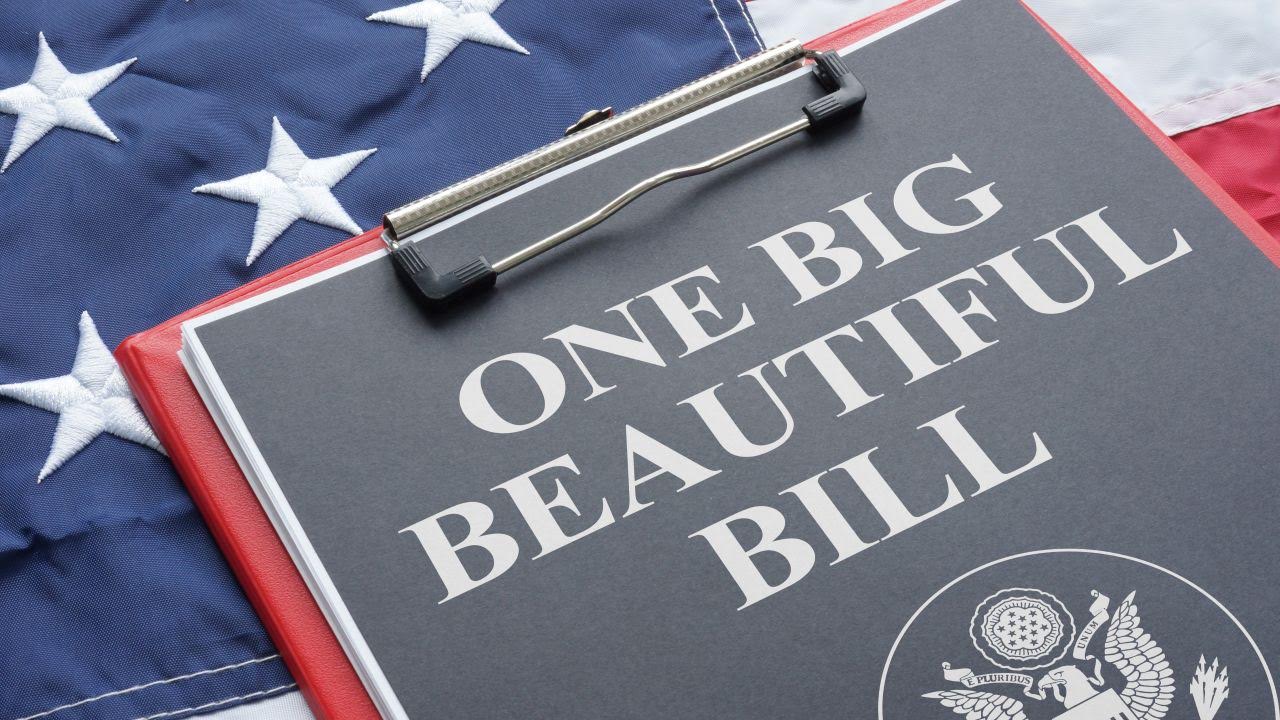
Dubbed the One Big Beautiful Bill Act (OBBBA), students can also expect to see changes to federal student loan eligibility. For more information, visit: https://studentaid.gov/announcements-events/big-updates,
Other programs proposed for elimination include: TRIO programs and Gaining Early Awareness and Readiness for Undergraduate Programs (GEAR UP).
The Blue & White Flash requested an interview with Jackson State University Executive Director of Financial Aid, Letherio Zeigler and the Division of University Communications, to discuss how the new federal budget is affecting students at JSU students; however, no statements have been received at press time.
Students, however, have had plenty to say about the issue.
Ahriel Pringle, a senior healthcare administration major from Chicago, Ill., discussed what she believes the impact the federal defunding of work-study will have on students.
“As an upperclassman, I’m very concerned about the decrease in work-study positions. For many students, work-study isn’t just extra money; it’s how they pay for essentials, reduce debt, and gain professional experience. When opportunities shrink, it creates added stress and makes it harder to balance school and finances,” said Pringle. “From a leadership perspective, I think it’s important to highlight how these cuts don’t just affect individuals, but also the campus community, because students who are struggling financially can’t always engage fully in academics or student life.”
Brianna Young, a senior journalism and media studies major from Little Rock, Ark., also expressed the challenges upperclassmen may face without work-study.
“As an upperclassman, I feel very disappointed that there is a decrease [in the amount] of work study positions, especially as someone who applied for work-study every single year since I’ve been here. I haven’t been able to land it. It’s a disappointment to all upperclassmen, because as you know, we have outstanding balances. Everyone should have a fair chance to earn some income towards those outstanding balances. Now students will have to find off-campus jobs,” said Young.
Young added: “I do believe more underclassmen, like freshmen and sophomores, are getting work-study because upperclassmen have more access to off-campus jobs. But why get an off-campus job when you can work on campus? I believe it’s unfair because underclassmen are just now coming in and many upperclassmen live off campus because of the lack of housing. To top it off, driving to campus and then to an off-campus job is a lot.”
Gregory Underwood, a senior elementary education major from Jackson, Miss., feels like the future of work-study looks dire.
“As an upperclassman, I hate that most upperclassmen don’t have work study. There’s no telling how many positions that we will have in the upcoming years, and that’s if they have any left due to federal cuts,” said Underwood.
Dashaun Tillman, a senior journalism and media studies major from St. Louis, Mo., believes federal defunding of the work-study program will also affect first-generation students.
“As a first-generation college student without strong financial support from family, I rely heavily on federal funding to pursue my education. Recent cuts to these resources are deeply concerning because they create additional barriers for students like me who are already working hard to overcome systemic and financial challenges. These decisions don’t just affect budgets; they determine the progress of real people striving for higher education,” said Tillman.
The Blue & White Flash will continue to update this story as new information becomes available.

