
Tierra Kelly
Staff Writer
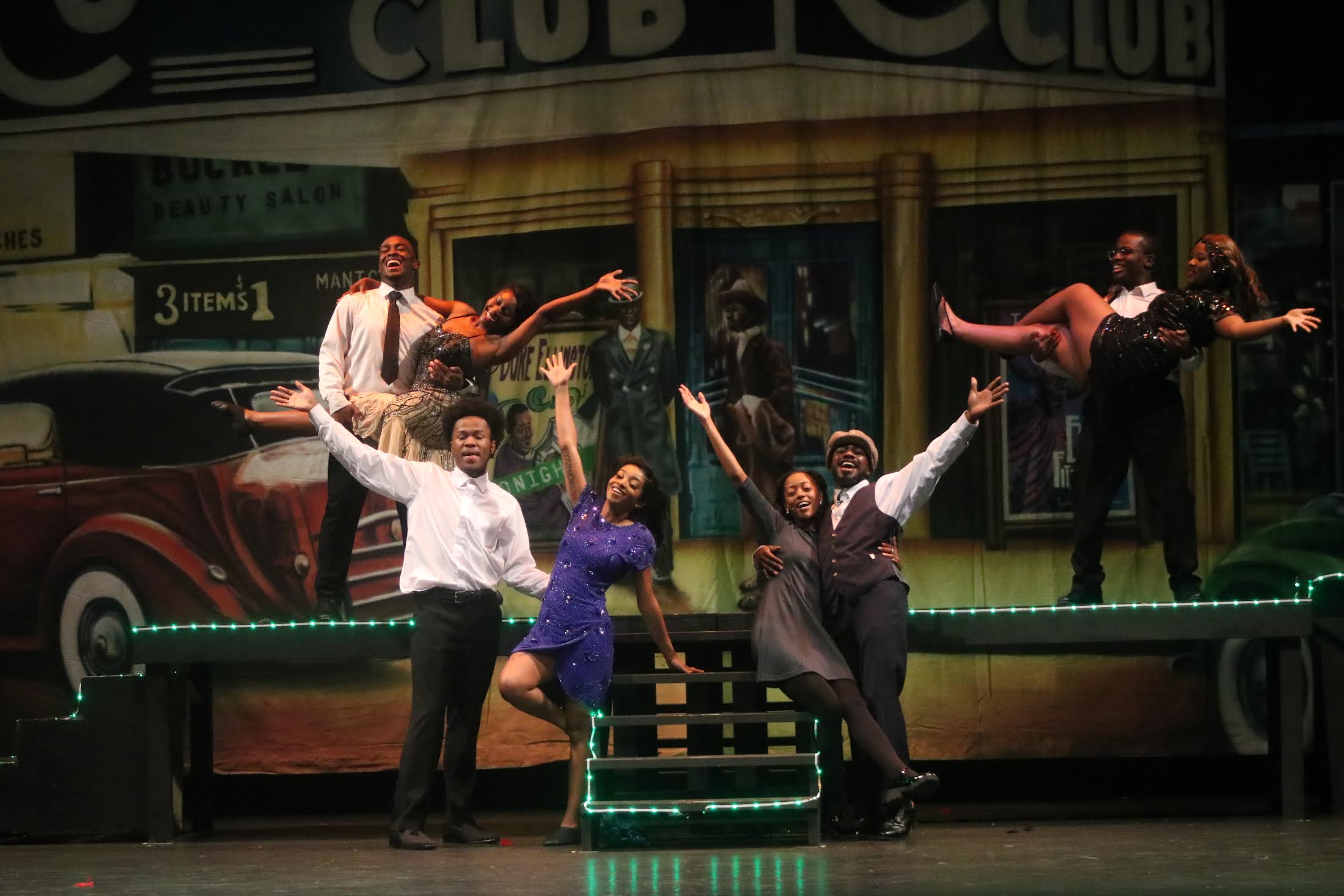
The Department of Speech Communication and Theatre students take the audience on a journey through the process of preparing for their rendition of “Bubbling Brown Sugar”.
The musical, directed by Department Chair Mark G. Henderson, was held from Oct. 2-6 in the Rose E. McCoy Auditorium.
Set in the 1920s, “Bubbling Brown Sugar” celebrates African-American culture during the Harlem Renaissance. The narrative centers on characters who travel back in time to relive the excitement of Harlem’s nightlife, visiting legendary venues such as the Cotton Club and Savoy Ballroom.
As the crew bustled and actors rehearsed, the auditorium buzzed with energy. A musical’s success depends on more than just its actors.
Light Board Operator Noni Burke, a sophomore speech and theatre major from Camden, N.J., believes the show cannot go on without the crew workers.
“The magic happens on stage, but for their magic to be shown in the best light, we’re needed,” said Burke.
Working collectively means being prepared for the unexpected. When an actor was unexpectedly injured, Henderson took on the role of John Sage, which had been initially played by Brady Smart. He mentioned being nervous, but performed as if it were his role initially.
By working together for weeks to prepare for the show, the team developed a strong bond between the cast and crew. Fostering these relationships helps make the production process easier for everyone.
Cody Powell, a senior speech and theatre major from St. Louis, Ill., played Jim, the husband of Ella (Kyesha Clark). Powell used method acting to prepare for his role. This included acting outside of rehearsal to get more comfortable with his character.
Powell said, “I would research the time period. See how the people would talk, react, and what was the norm, the songs, and the movement. I would implement that in the character that I portray in this musical.”
Powell pretended to be married outside of rehearsal to better understand the dynamics of relationships in the 1920s. This approach helped create a strong, authentic connection between the characters.
The energy on stage was high, showcasing the vibrant nightlife of Harlem. There were performances of jazz, swing dancing, and singing that left the audience spellbound and gave them goosebumps.
LaShunna McInnis’s rendition of “His Eye is on the Sparrow” moved everyone, with her profound vocals transporting the audience to church. As they watched in awe, the audience joined in, clapping and showing their engagement.
Musical Attendee Naya Chadwick, a senior social work major from San Leandro, Calif., was moved by the musical.
“It was really inspirational seeing black artists, dancers, and creatives in the musical. I think it’s important that black people’s talent be showcased and uplifted. I really enjoyed it. The musical made the audience laugh, but it also empowered them,” said Chadwick.
Henderson wanted the play to showcase the talent at Jackson State students
“I believe the statement about a lot of who we are today is based on our history, and it’s such a rich history in the Harlem Renaissance. We are outspoken on campus, and we have jazz clubs and jazz bands on campus,” said Henderson.
Representation played a significant role throughout the musical. The Harlem Renaissance helped refine African-American culture, transforming it into a vibrant center for black voices, artistic expression, and creativity.
By taking the characters back in time to various parts of Harlem, the creators did an outstanding job of capturing the authentic atmosphere of the 1920s.

