
Madison Huff
Variety Editor
Michael B. Jordan has delivered memorable performances throughout his career, including but not limited to Adonis Creed in the “Creed” franchise, Erik Killmonger in Marvel’s “Black Panther”, and his earlier work in “The Wire” and “Friday Night Lights”.
However, this year’s major award shows, including the Golden Globes and Critics’ Choice Awards, left many fans, especially college students, confused after the actor failed to win either the “Best Actor in a Motion Picture – Drama” or “Best Actor” award at these events.
The snub quickly became viral, with fans questioning why Jordan’s acclaimed performance in “Sinners” was overlooked despite strong reviews and sustained social media buzz.
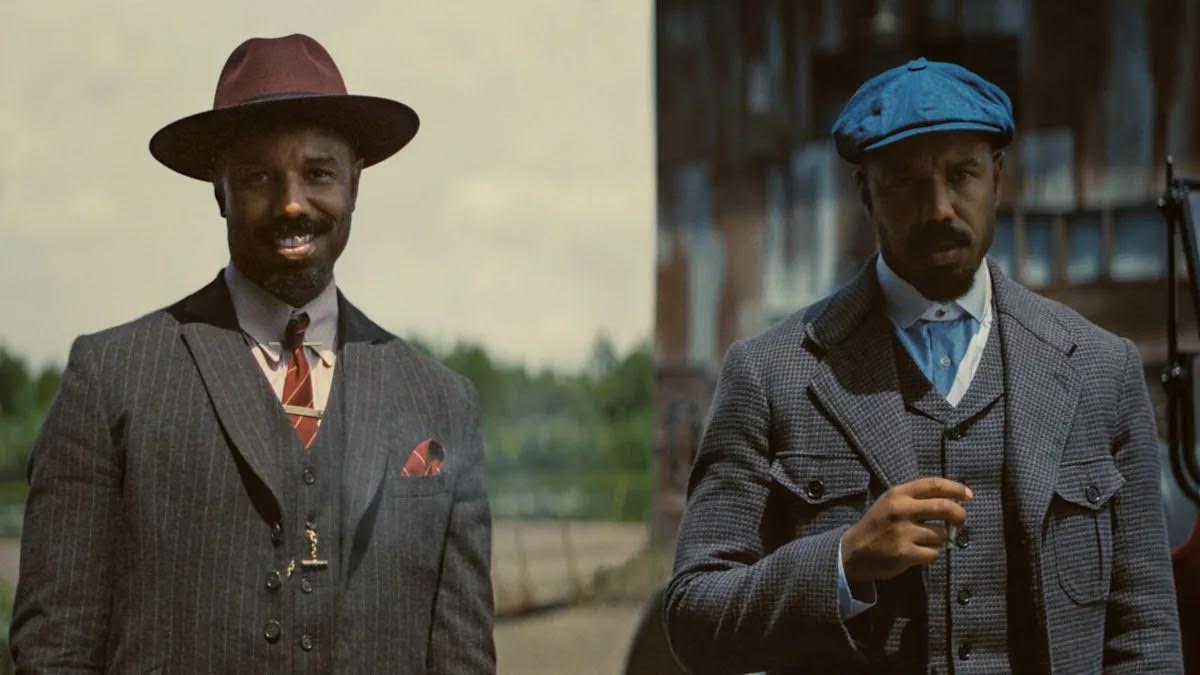
“Sinners”, a psychological thriller, features Jordan in a darker, more intense dual role than audiences are used to seeing. The film explores complex themes and relies heavily on Jordan’s ability to carry emotional weight throughout the story, as he plays twin characters, Smoke and Stack Moore.
According to Variety, critics praised his performance for its depth and vulnerability, making his failure to win all the more surprising.
Jasmine Carter, a junior journalism and media studies major from Jackson, Miss., expressed her perspective on Jordan’s performance in the film.
“When I watched ‘ Sinners’, I honestly thought Michael B. Jordan would be a winner for those nominations. It felt like it would be one of those performances everyone would be talking about during awards season,” said Carter.
Award-show snubs are not uncommon for African-Americans, but they often raise questions about which types of performances are valued. According to The Hollywood Reporter, films in the thriller or psychological genres are frequently overlooked by major award organizations, even when the acting is top-tier.
According to Box Office Mojo, the movie “Sinners” has grossed about $279.9 million domestically and $88.3 million internationally, for a total of roughly $368.3 million worldwide, with multiple theatrical releases.
Others argue that the film pushed creative boundaries in ways that do not always translate into award recognition.
Marcus Hill, a sophomore film studies major from Atlanta, Ga., reflected on the atmosphere at major award shows, including the Golden Globes and the Critics’ Choice Awards.
“I feel like award shows always play it safe. If a movie is too intense or different, they just pretend it doesn’t exist, no matter how good the acting is,” said Hill.
Frustration over the snub grew as TikTok, Twitter, and Instagram amplified the backlash. Posts defending Jordan’s performance circulated widely, with fans sharing clips and scenes from the film.
According to Entertainment Weekly, Jordan was among the most-discussed omissions after nominations were announced, underscoring the strong reaction from viewers.
While some fans were disappointed, some students believe the snub will not impact Jordan’s long-term success.
“Michael B. Jordan has already proven himself time and time again,” said Aaliyah Brown, a senior communicative disorders major from New Orleans, Louisiana. “Awards are nice, but his talent speaks louder than a trophy ever could,” said Brown.
The situation has prompted college students to reflect on fairness, recognition, and representation in Hollywood. Many view the snub as proof that awards do not always mirror public opinion or reward artistic risk. As Jordan continues to take on challenging roles like “Sinners”, fans remain hopeful that future seasons will bring greater recognition.
Meanwhile, students keep debating the snub in classrooms, dorms, and online group chats, using it to underline that awards do not define an artist’s impact. While Jordan did not win these two particular award shows, his influence on film culture and young audiences remains strong—and for many students, that lasting impact matters more than any award-show moment.
The Golden Globe Awards began in 1944. Since that time, four black actors have won the Best Actor Award:
- Sidney Poitier: “The Defiant Ones” (1959 – Special Award)
- Denzel Washington: “The Hurricane” – 2000)
- Forest Whitaker: “The Last King of Scotland” – 2007)
- Chadwick Boseman: “Ma Rainey’s Black Bottom” – 2021)
The Critics’ Choice Awards began in 1996. Since that time, three black actors have won the Critics’ Choice Movie Award for Best Actor in the history of the ceremony:
- Forest Whitaker (“The Last King of Scotland” – 2006)
- Chadwick Boseman (“Ma Rainey’s Black Bottom” – 2020)
- Will Smith (“King Richard” – 2021)

